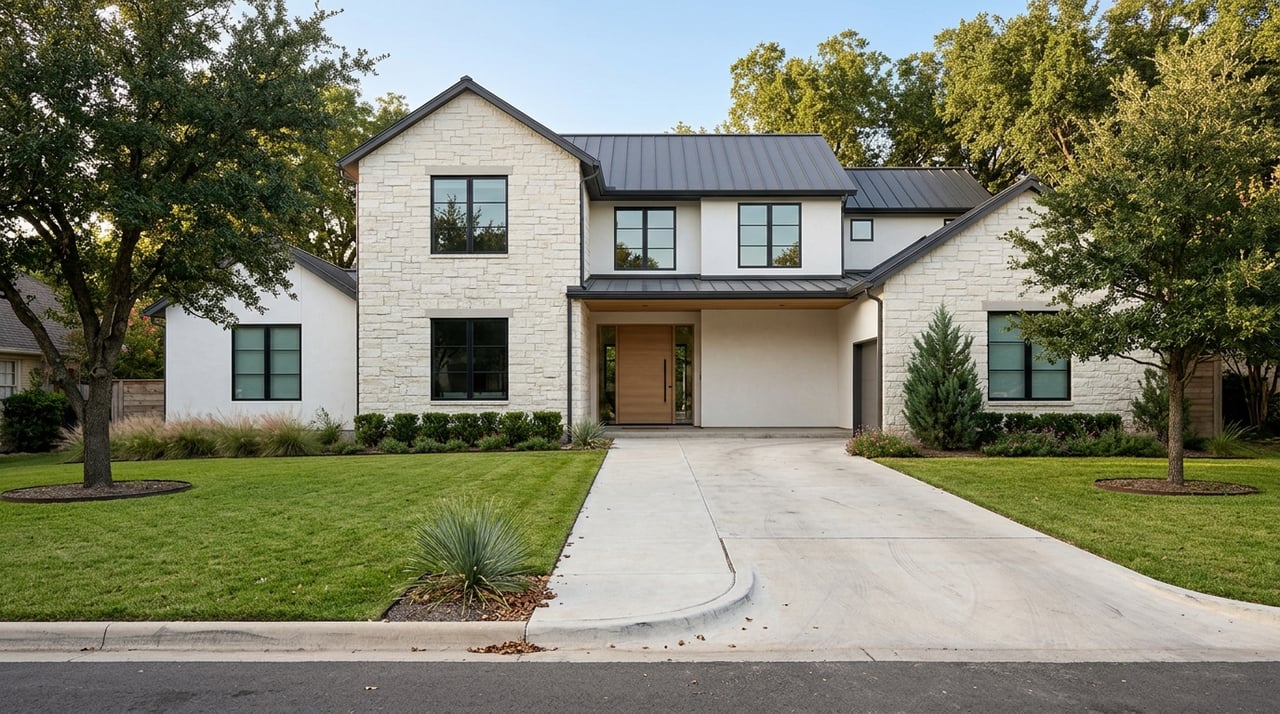
Thinking about a move west of Austin? This corridor can look simple on a map, but in real life, West Austin, Bee Cave, Lakeway, and Dripping Springs offer very different price points, commute patterns, and day-to-day experiences. If you are trying to balance access, space, amenities, and budget, a clear side-by-side view can save you time and help you focus on the areas that fit your life best. Let’s dive in.
Why this move takes careful planning
Relocating to West Austin and the Hill Country corridor is often less about choosing a single city and more about choosing a lifestyle tradeoff. Some buyers want to stay as close to central Austin as possible. Others are willing to drive farther in exchange for more space, newer homes, or a stronger Hill Country feel.
That is why this area rewards a thoughtful search. Two communities may be only a short drive apart, but the pricing, housing stock, and daily routine can feel very different once you live there.
West Austin vs. the Hill Country corridor
Austin’s broader market has cooled from its pandemic peak, but west-side areas still sit well above the city overall. In April 2026, Realtor.com showed Austin with a median listing price of $560,000, while Redfin reported a March 2026 median sale price of $530,000 and an average of 58 days on market.
By comparison, close-in West Austin enclaves are in a much higher tier. Zillow placed the average value in 78746 at $1.725 million and West Lake Hills at $2.097 million as of April 30, 2026. In the Hill Country corridor, Realtor.com snapshots showed median listing prices around $915,000 in Bee Cave and $850,000 in Lakeway, while Zillow showed Dripping Springs at an average value of $697,271 with a median list price of $833,200.
What daily life feels like
West Austin feels close-in and established
If you want quick access to central Austin and an established residential setting, West Austin often rises to the top. Rollingwood’s comprehensive plan describes a predominantly single-family community with mature trees, walkable streets, and a low-density feel. The City of West Lake Hills also emphasizes preserving its rural environment and natural beauty.
In practical terms, this part of the market tends to appeal to buyers who want a more established setting with private lots, mature landscaping, and neighborhood character. Housing supply is limited, and details like lot shape, views, topography, and rebuild potential can matter as much as square footage.
Bee Cave feels like an amenity hub
Bee Cave offers a different rhythm. The city describes itself as a gateway to the Hill Country, and it has a compact, convenience-driven feel that blends suburban living with parks, trails, and shopping access.
The city’s 1.5-mile Hike and Bike Trail connects parts of Bee Cave to Central Park and the Galleria area. Bee Cave Central Park includes 50 acres with pavilions, playscapes, restrooms, and a dog park. Bee Cave is also designated as an International Dark Sky Community, which adds to its distinct sense of place.
Lakeway leans into recreation
Lakeway is often the best fit if you want recreation built into everyday life. The city says it is about 25 miles west of downtown Austin and includes golf courses, tennis courts, marinas, a private airport, a full-service hotel and spa, a 65-mile-long lake, 100 acres of parkland and trails, and nearly 500 acres of greenbelts.
That combination gives Lakeway a resort-style identity. For many relocating buyers, the appeal is not just the home itself, but the fact that outdoor amenities and leisure options are woven into the community.
Dripping Springs feels more like the Hill Country
Dripping Springs offers the strongest sense of moving out toward open space and Hill Country identity. The city calls itself the Gateway to the Hill Country and says it is about 25 minutes west of Austin, with parks, recreation, shopping, live music, craft breweries, and wineries.
Its parks system adds to that appeal. Dripping Springs Ranch Park spans 130 acres and includes about 6.2 miles of multi-use trails. If your ideal move includes more room to spread out and a setting that feels less urban, Dripping Springs often stands out.
How commute patterns shape your choice
In this part of the metro, commute planning matters as much as distance. TxDOT says Loop 360 is a major north-south commuter route and that peak travel can take more than 60% longer than free-flow conditions. TxDOT also identifies significant congestion on RM 620 South, and the SH 71 area near Bee Cave and Hamilton Pool Road has also been targeted for congestion relief work.
For buyers considering Dripping Springs, the US 290 West corridor is another major factor. TxDOT’s work along that route reflects long-term safety, mobility, and congestion concerns between Oak Hill and Dripping Springs. The city’s transportation master plan also notes that the area does not currently provide a transit system.
The bottom line is simple. West Austin usually offers the shortest access to central Austin, but traffic can still be a major part of daily life. Bee Cave and Lakeway often land in the middle, while Dripping Springs usually means a longer and less predictable drive in exchange for more space and a stronger Hill Country setting.
What your budget may buy
A realistic 2026 budget lens can help you narrow your options quickly.
- West Austin and 78746: roughly $1.7 million and up
- West Lake Hills: often above that range, with Zillow at $2.097 million average value
- Bee Cave and Lakeway: roughly mid-$800,000s to low-$900,000s
- Dripping Springs: roughly high-$600,000s to low-$800,000s, with higher-end acreage and estate properties above that
These are not fixed thresholds. They are directional bands inferred from current median and typical-value data, but they are useful for setting expectations early in your search.
How housing styles change as you move west
West Austin homes
West Austin and nearby enclaves tend to have a limited-supply, close-in feel. Rollingwood’s plan describes wide streets, mature trees, and older homes mixed with newer contemporary architecture. West Lake Hills says the city includes about 1,000 homes and 200 businesses.
That usually means more variation from property to property. You may see older homes with renovation potential, newer custom builds, and homes where land, views, and privacy are major parts of the value.
Bee Cave and Lakeway homes
Bee Cave and Lakeway feel more suburban and more intentionally planned. In practice, these areas often attract buyers looking for newer homes, neighborhood amenities, and a balance between indoor comfort and outdoor lifestyle.
Neighborhood options also tend to be broader in style and setting. Some buyers prioritize lock-and-leave convenience, while others focus on golf-oriented communities, larger homesites, or newer construction.
Dripping Springs homes
Dripping Springs has the clearest Hill Country growth pattern of the group. The city’s planning direction emphasizes preserving Hill Country character while also providing housing options that meet community needs.
For many buyers, that translates to larger lots, newer subdivisions, custom homes, acreage properties, and more breathing room. The tradeoff, again, is usually distance from central Austin and a more car-dependent daily routine.
School district boundaries matter
For many relocating households, school district boundaries are part of the search from day one. West Austin and Rollingwood are tied to Eanes ISD, which says it includes five elementary schools, two middle schools, one high school, and one adult transition services program. Westlake High School describes itself as a college-preparatory campus.
Bee Cave and Lakeway are served by Lake Travis ISD, which includes Bee Cave Elementary, Lakeway Elementary, Bee Cave Middle, Lake Travis Middle, and Lake Travis High School. Dripping Springs is served by Dripping Springs ISD, which says it operates nine schools and enrolled about 8,800 students, with a second high school projected to open in fall 2028.
Because boundaries can shape both home searches and resale conversations, it helps to confirm district and attendance information early when comparing neighborhoods.
A simple way to narrow your search
If you are deciding where to start, this quick framework can help.
Choose West Austin if you want
- Shorter access to central Austin
- An established, close-in residential feel
- Mature trees, private lots, and limited housing supply
- A higher price point with strong emphasis on location
Choose Bee Cave or Lakeway if you want
- A middle ground between Austin access and suburban space
- Parks, trails, recreation, and neighborhood amenities
- More planned-community options
- Premium pricing that is often below close-in West Austin
Choose Dripping Springs if you want
- More land and open space
- A stronger Hill Country identity
- A somewhat more accessible entry point on a typical-home basis
- Flexibility for larger lots, custom homes, or acreage living
Relocation is really about fit
The best move is not always the closest address or the biggest house. It is the place that fits how you actually want to live, drive, spend time outdoors, and use your home day to day.
That is especially true west of Austin, where each stop along the corridor offers a different answer to the same question. How much access, space, and lifestyle do you want, and what tradeoffs feel worth it to you?
If you are weighing West Austin against Bee Cave, Lakeway, or Dripping Springs, the right guidance can make the decision much clearer. Newton Residential Group offers personalized, transparent support for buyers relocating across Austin and the Hill Country corridor.
FAQs
What is the price difference between West Austin and Bee Cave?
- West Austin is typically much more expensive. As of April 2026, Zillow placed 78746 at an average value of $1.725 million, while Realtor.com showed Bee Cave with a median listing price of about $915,000.
What is the lifestyle difference between Lakeway and Dripping Springs?
- Lakeway is more resort-style, with golf, marinas, parkland, trails, and greenbelts, while Dripping Springs offers a more open-space, Hill Country setting with parks, trails, and a less urban feel.
What should you know about commuting from West Austin or the Hill Country corridor?
- Commutes are highly corridor-dependent and usually car-based. TxDOT reports major congestion on routes including Loop 360, RM 620 South, SH 71 near Bee Cave, and US 290 West toward Dripping Springs.
What school districts serve West Austin, Bee Cave, Lakeway, and Dripping Springs?
- West Austin and Rollingwood are tied to Eanes ISD, Bee Cave and Lakeway are served by Lake Travis ISD, and Dripping Springs is served by Dripping Springs ISD.
What type of homes can you expect in Dripping Springs compared with West Austin?
- Dripping Springs often offers larger lots, newer subdivisions, custom homes, and acreage properties, while West Austin tends to have more limited supply, mature lots, older homes, and high-value properties where location, views, and rebuild potential matter.