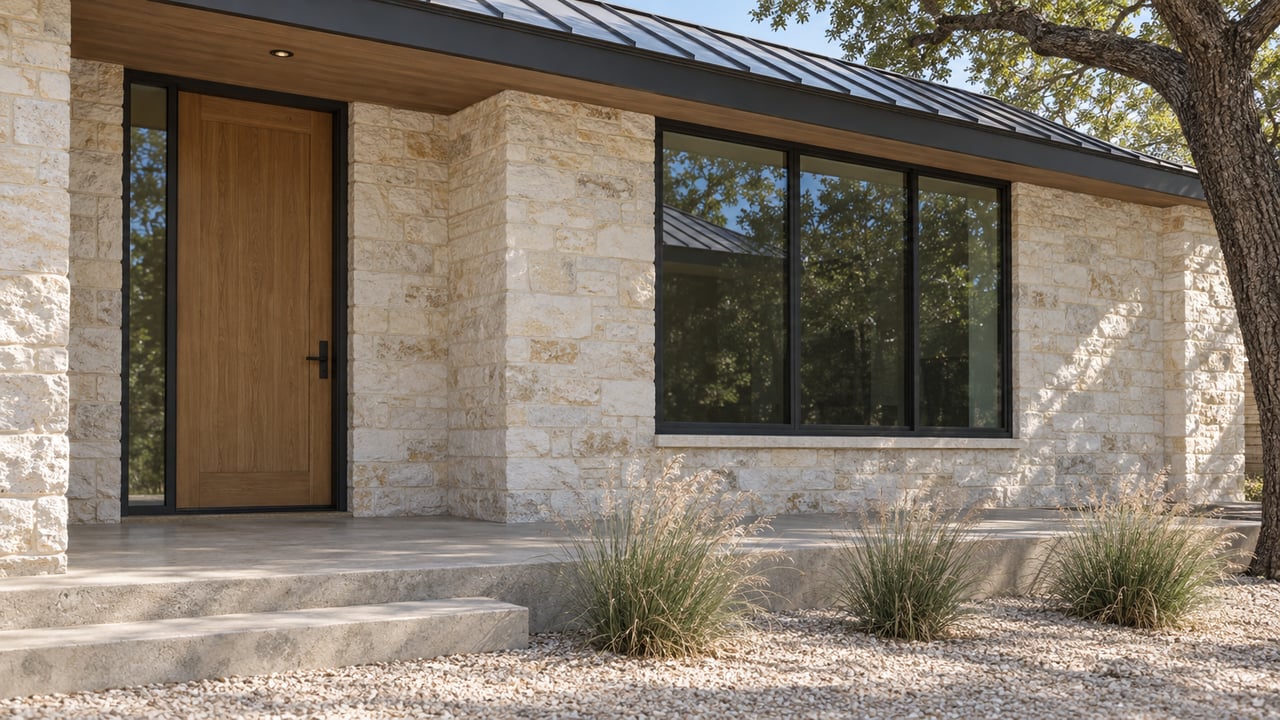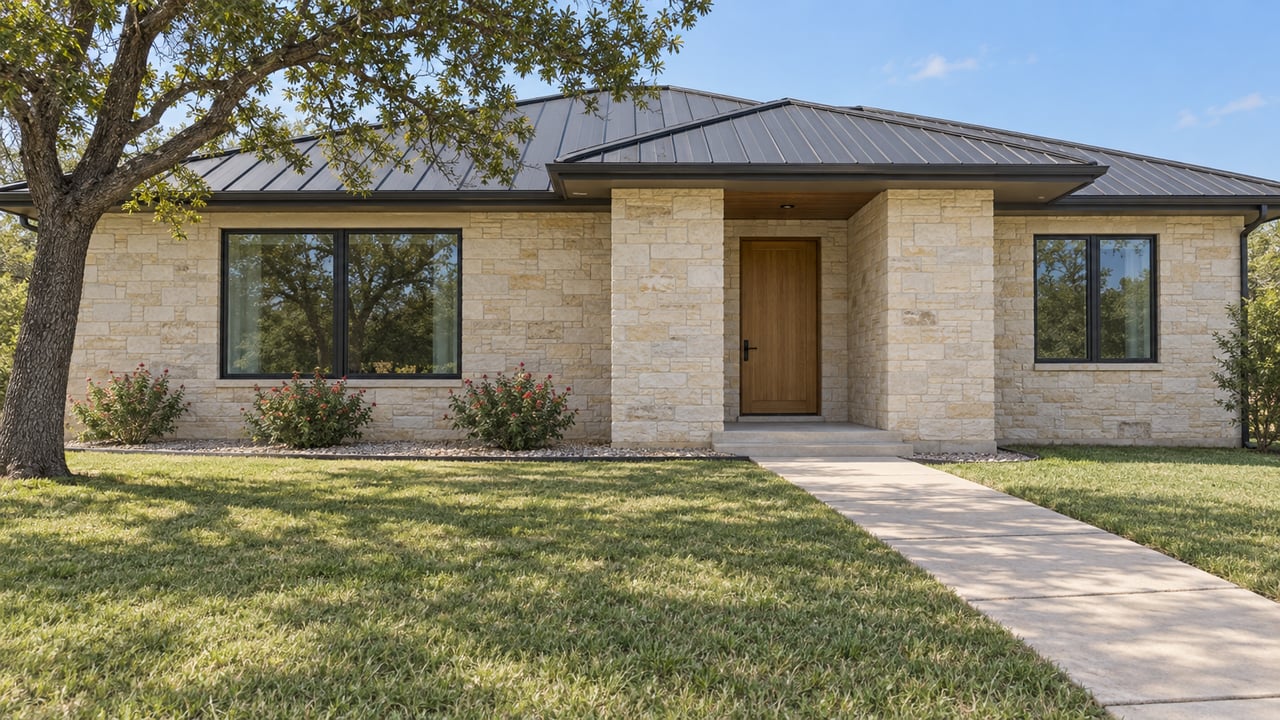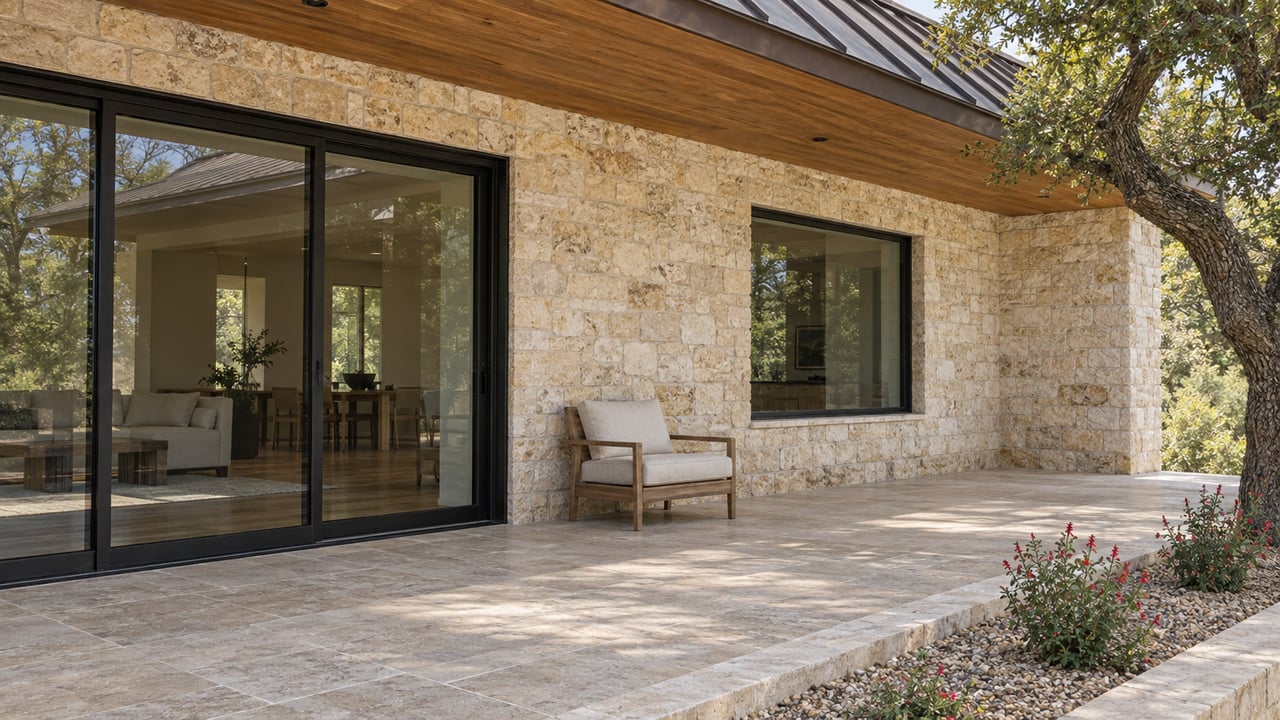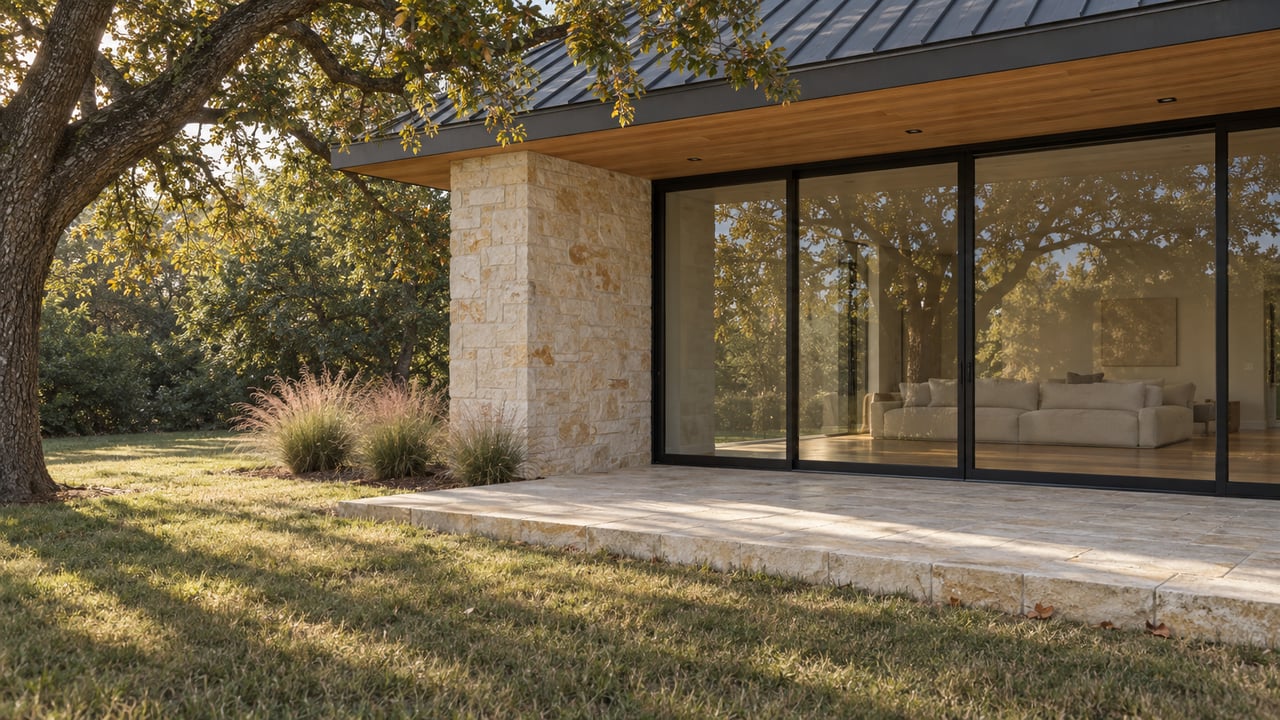
The Austin zip code with the steepest year-over-year price decline in 2026 sits inside the tier of the metro that is otherwise gaining ground. That contradiction is not a data error. It is Barton Creek doing what it has always done, and it is the single most important thing for a buyer to understand before writing an offer here.
Barton Creek trades as one address on the portals and as sixteen separate markets in practice. The headline number confuses those two realities, and buyers who trust the headline usually pay for the confusion in one of two ways: they overpay in a soft sub-community, or they walk away from a strong one because a spreadsheet told them the neighborhood was falling.
The number that does not add up
Team Price's April 2026 zip-code analysis shows 78735, the Barton Creek zip, down 18.1 percent year-to-date against 2025, the steepest decline in the metro. In the same report, Austin's four ultra-luxury zip codes, defined as those with 2025 medians above $1.5M, averaged a gain of about 3.5 percent, with 78746 Westlake up 9.1 percent to a YTD median of $2,394,287.
Meanwhile, transaction-level tracking from local luxury brokerages puts Q1 2026 average values in Barton Creek at $2.18M to $2.22M with modest year-over-year appreciation of around 3.1 percent, and Redfin's January 2026 snapshot recorded a median of $2.8M on only two sales that month. Luxury Playbook's May 2026 review clears $2.85M as the working median.
Four credible sources. Four different numbers. All from the same six-month window.
The reader has three choices when the data disagrees this loudly. Pick the source you like. Give up on the numbers. Or figure out what is actually being measured. Only the third choice is useful, and it points directly at what makes Barton Creek different from the rest of West Austin.
What the median is really counting
Barton Creek is not a subdivision. It is a 5.4-square-mile collection of sixteen gated sub-communities, and the price gap between them is larger than the price gap between many entirely different Austin neighborhoods.
| Sub-community | 2026 typical range | What drives the tier |
|---|---|---|
| The Estates at Barton Creek | $1.5M – $2.5M | Older housing stock, established HOA |
| Fairways, Governors Hill, Woods I & II, Verano | $1.8M – $4M | Golf frontage, gated pockets, mid-90s to mid-2000s builds |
| Barton Creek West | $3M – $7M | Larger lots, dual-gate access, greenbelt-adjacent, newer construction |
| The Preserve at Barton Creek | $3.5M – $10M+ | 1.2-acre lots inside the 4,000-acre Barton Creek Habitat Preserve |
A single Preserve closing pulls the monthly median up by a million dollars. A quarter with two Estates closings and no Preserve activity looks like a crash. The zip-level median for 78735 is really a report on which pockets happened to transact, not a report on what any individual home is worth. In a market where a handful of homes sell each month and price tiers span more than $8M inside the same boundary, that mix shift is the story.
There is a second wrinkle inside the per-square-foot data. Barton Creek's PPSF sits in the $513 to $553 range for the neighborhood overall in early 2026, with Barton Creek West premium properties commanding $600 to $750 or higher. Yet PPSF is down from the 2022 peak even as absolute prices are up 3.1 percent year-over-year. The larger homes now transacting carry more square footage, so the per-foot metric compresses even when the sale price does not.
Buyers who screen listings by PPSF alone in Barton Creek are pricing air. The number describes a mix, not a market.
The boundary line that changes the answer
Two identical houses on adjacent streets in Barton Creek can sit in different school districts. Some of the neighborhood is zoned to Eanes ISD, which Niche ranks first in Texas for 2026 and whose feeder pattern runs through Cedar Creek or Eanes Elementary, Hill Country Middle, and Westlake High School with roughly forty AP courses. Other streets and sub-communities fall inside Austin ISD.
For a relocating family evaluating Barton Creek because of the Eanes reputation, that boundary is the entire purchase thesis. It is not printed on the MLS field. It is not always right on the tax assessor's summary. It has to be verified property by property with the actual district enrollment map before the option period closes, and it is one of the more common late-stage surprises in this submarket.
The dollar effect of that boundary line is real. Comparable properties on the Austin ISD side of the split trade at a discount to their Eanes-zoned neighbors, and that discount can rival what a buyer thought they were saving by choosing Barton Creek over Westlake or Tarrytown in the first place.
The supply floor beneath the volatility
If the price signal is noisy, why does Barton Creek keep drawing buyers who could shop anywhere in West Austin? Because the ground rules for new supply are different here than almost anywhere else in the metro.
Most of Barton Creek sits over the Edwards Aquifer Recharge Zone and inside the coverage of Austin's Save Our Springs Ordinance, which sets some of the most restrictive impervious cover limits in the state. The neighborhood is bordered by the roughly 4,000-acre Barton Creek Habitat Preserve managed with input from the Nature Conservancy, and roughly two-thirds of the wider area is greenspace. There is no version of Barton Creek where a developer buys a large tract and adds three hundred new homes to the inventory.
That constraint has two consequences for a buyer.
The first is that any renovation or expansion plan needs to be reviewed against environmental covenants before the offer, not after. Impervious cover limits, driveway calculations, and pool footprints that would clear permitting in most West Austin neighborhoods do not automatically clear here. A tear-down-and-rebuild strategy that pencils on paper can collide with the actual site conditions once a civil engineer walks the lot.
The second is that the noisy short-term price data sits on top of a genuinely inelastic supply base. When luxury demand returns to Austin's western corridor, and Q1 2026 tracking from the prime-side brokerages already shows the recovery beginning there, Barton Creek cannot respond with new construction the way Bee Cave or Dripping Springs can.
What negotiation looks like right now
The data that matters for a buyer writing an offer this quarter is not the zip-code median. It is the transaction friction.
- Time on market. Homes are averaging 92 to 115 days across the neighborhood in Q1 2026, with the wider sub-community range running from about 68 days in the most in-demand pockets to 189 days on estate-scale properties with narrower buyer pools. Days on market is a sub-community signal, not a neighborhood signal.
- Price to list. Sold prices are landing roughly 9 to 10 percent below original list on average, which translates to $180,000 to $250,000 in real dollars on a $2M to $2.5M transaction. The negotiating window is real, and it is measurably wider than in Westlake or Tarrytown, where March 2026 tracking shows Realtor.com list prices in West Lake Hills at $831 per square foot against Barton Creek's $621.
- Inventory posture. Austin's above-$2M segment carried roughly sixteen months of supply as of March 2026 with days on market near 111. Qualified buyers are transacting. They are simply not rushing.
- Ownership cost stack. The full annual carry includes property taxes, HOA dues that vary meaningfully by sub-community, Barton Creek Country Club Social Membership where applicable with golf and sport tiers extra, and in some pockets a MUD assessment. The gap between purchase price and effective annual cost is wider here than it looks from a Zestimate.
The through-line: Barton Creek in 2026 rewards buyers who have already narrowed to a specific sub-community, verified the school zoning parcel by parcel, and priced the deal against comparable closings inside that pocket rather than against the neighborhood median.
A short FAQ
Is Barton Creek actually declining in value? The 78735 median declined 18.1 percent year-to-date in the Team Price report because of what is transacting, not because of what individual homes are worth. Neighborhood-level tracking of comparable properties shows modest 3 to 4 percent appreciation for the year against a slow-moving base.
How does Barton Creek compare to West Lake Hills for a luxury buyer? In March 2026, Barton Creek's median list price was $2.35M at $621 per square foot with a 49-day median days on market. West Lake Hills was $2.60M at $831 per square foot with 99 days. Barton Creek is currently the lower per-foot address and, by that snapshot, the faster-moving one, though sub-community variation inside Barton Creek is wider than the gap between the two cities.
What is the single most common mistake buyers make here? Treating Barton Creek as one neighborhood. Pricing, HOA rules, school zoning, and lot character shift meaningfully between The Preserve, Barton Creek West, the Fairways, Governors Hill, Amarra, Verano, Woods I and II, and the Estates. The right answer in one pocket is the wrong answer two gates away.
Working the market from the inside
The buyers who do well in Barton Creek in 2026 are not the ones with the best portal alerts. They are the ones who have already picked their sub-community, walked the streets after a rain, driven the school route, read the HOA covenants, and asked what actually closed on the block in the last twelve months, not what showed up in the zip-code roll-up.
That is where an advisor earns their place. If you are weighing Barton Creek against Westlake, Rollingwood, or another West Austin address, or if you are already narrowed to a specific enclave and want a clear read on comparables and the current negotiation window, the team at Newton Residential Group would welcome the conversation. Contact Us to start.