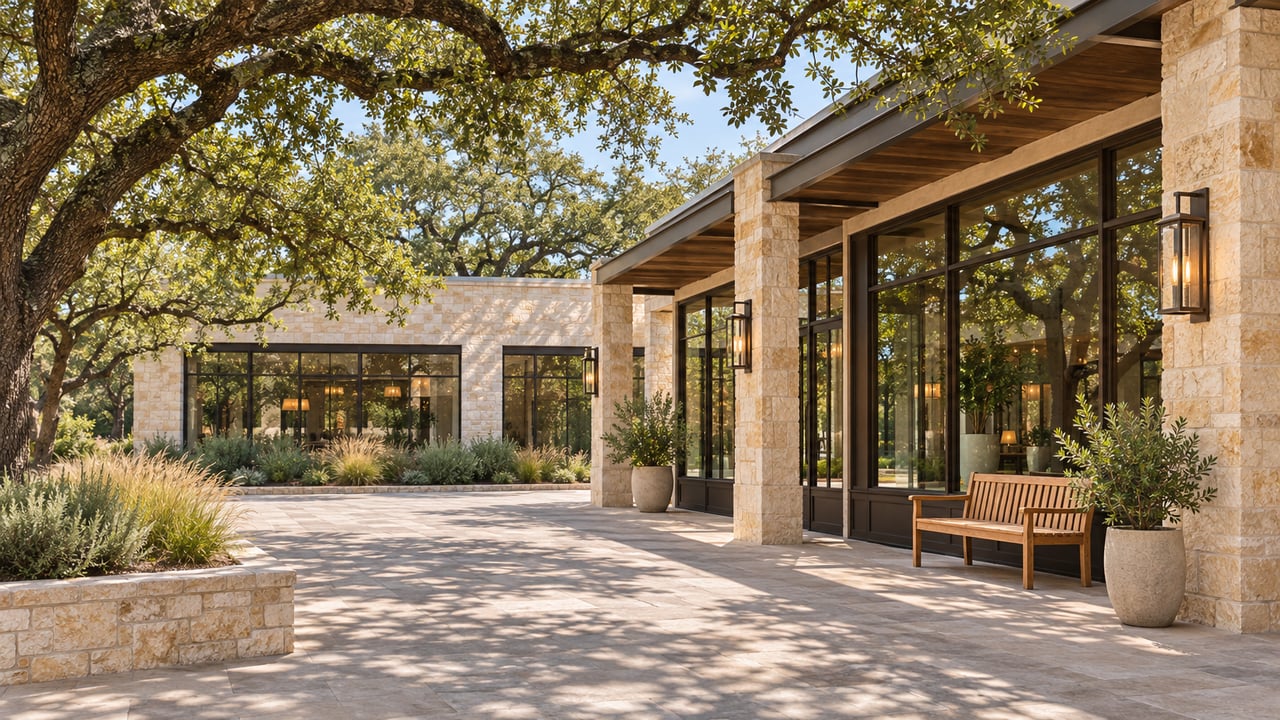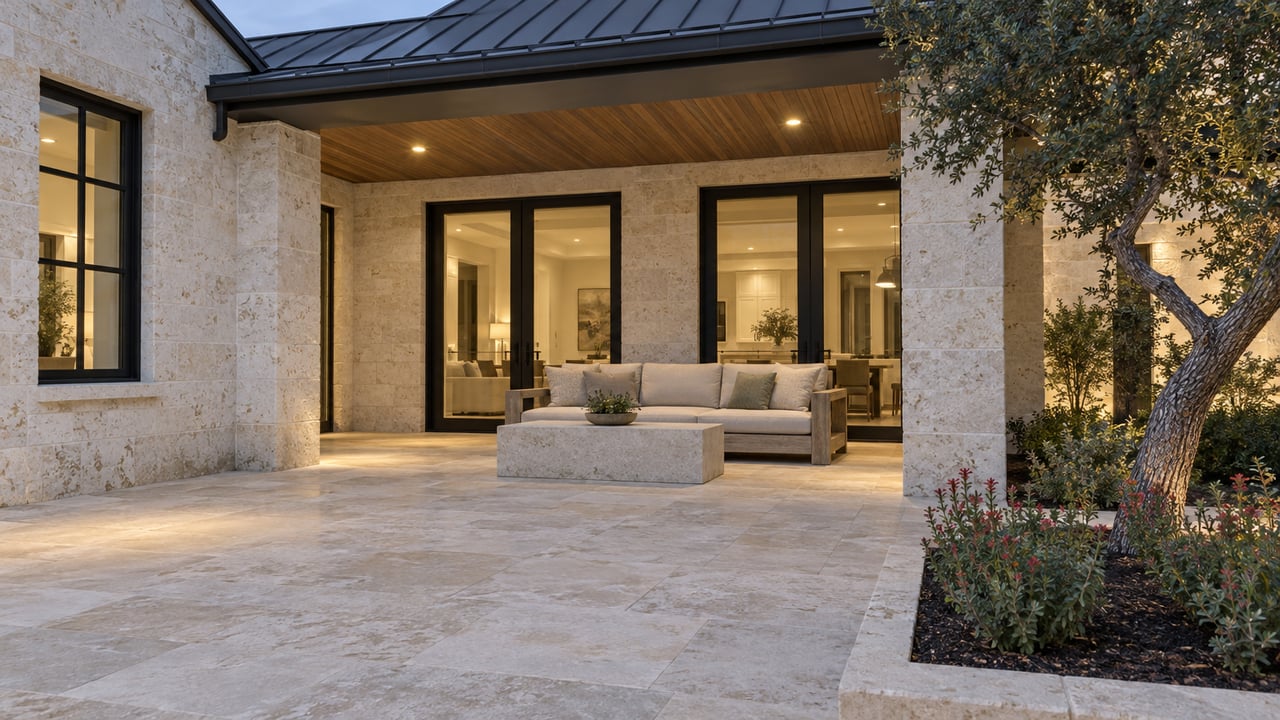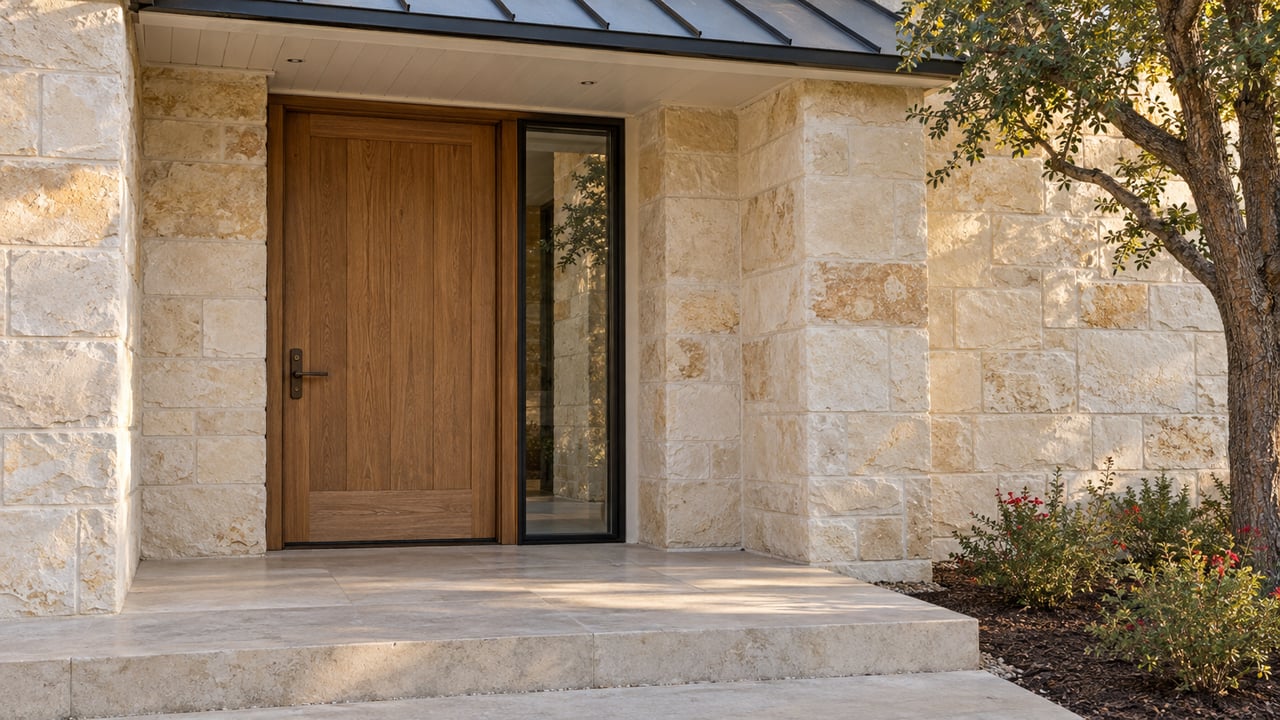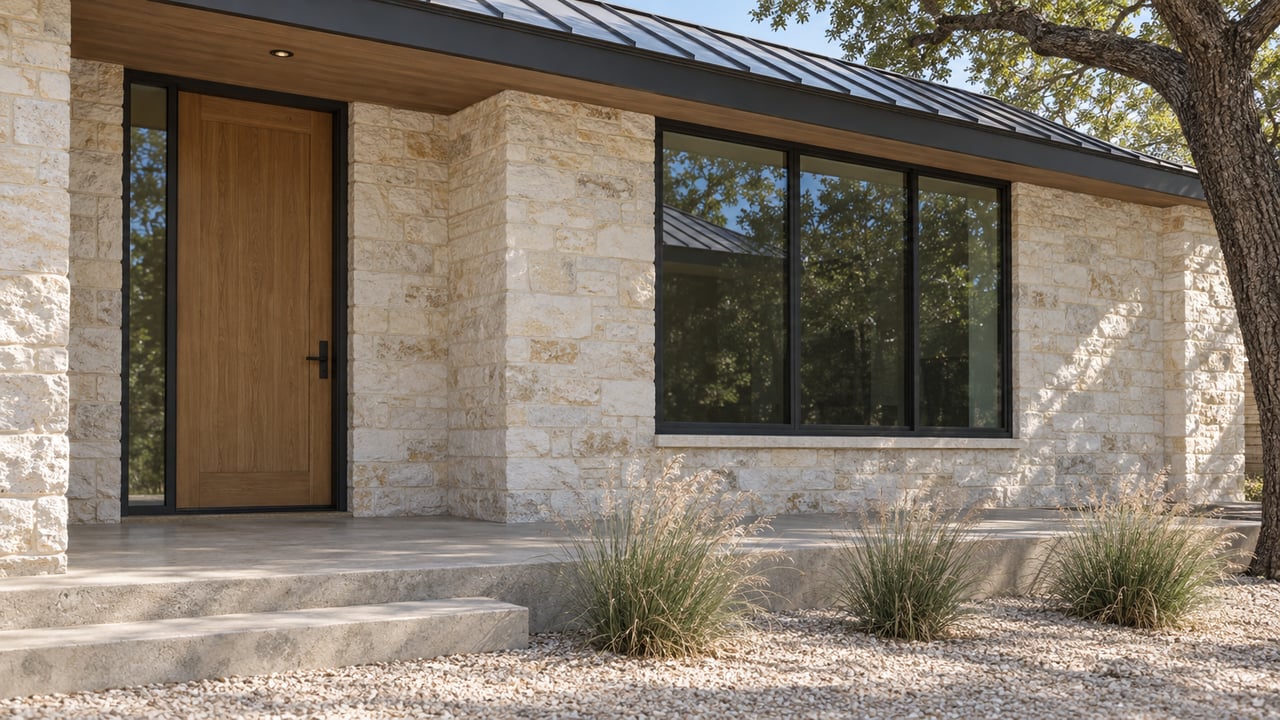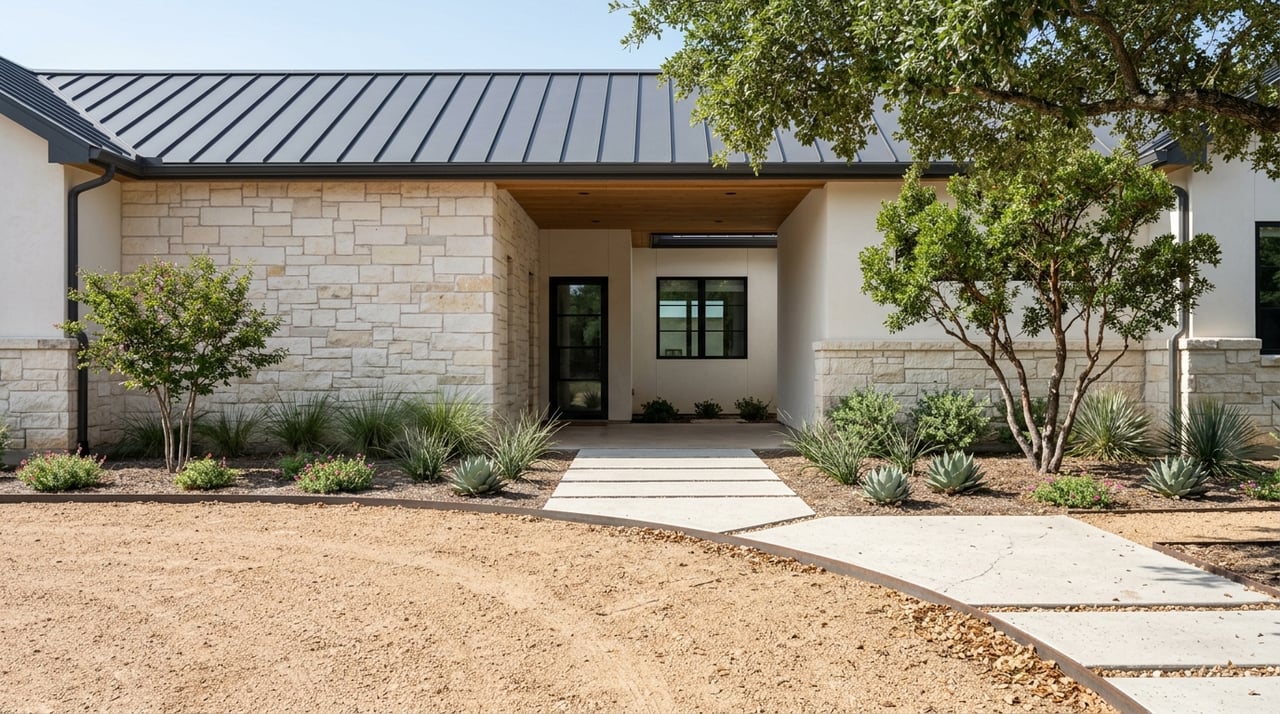
If you are drawn to Hill Country views but still want daily access to Austin, Dripping Springs tends to land on your shortlist fast. You may be looking for more space, a slower pace, or a community that feels connected to the outdoors without feeling too far removed. The good news is that Dripping Springs offers a distinct lifestyle, and the trade-offs are fairly clear once you know what to expect. Let’s dive in.
Dripping Springs at a Glance
Dripping Springs is a small city in northern Hays County, about 25 miles southwest of downtown Austin. City and visitor materials describe it as the Gateway to the Hill Country, and that framing fits the day-to-day experience well.
You get open space, a visible local identity, and a setting shaped by parks, live music, shopping, breweries, and wineries. Even with that small-town feel, the city has grown quickly, with a 2024 population estimate of 10,165 compared with 4,650 in the 2020 census.
The city covers about 8.8 square miles, so its footprint is still relatively compact. That can make Dripping Springs feel both established and in transition, especially as new housing and infrastructure continue to take shape.
Hill Country Lifestyle
One of the biggest reasons people choose Dripping Springs is the lifestyle. The area leans heavily into scenery, open land, and a slower rhythm than you may find in more urban parts of Greater Austin.
The city also places real emphasis on preservation. Dripping Springs says it became the first city in Texas designated as an International Dark Sky Community in 2014, which speaks to how strongly it values its natural setting and night skies.
That preservation mindset shows up in local development rules as well, including landscape and tree preservation efforts. If you want a place that is growing but still trying to protect its Hill Country character, that is a meaningful part of the story here.
Housing Options in Dripping Springs
If you are wondering what kinds of homes you will find, the answer is: a pretty broad range. City planning materials group housing here into suburban residential, garden homes, estate residential, rural residential, and mobile homes.
In practical terms, that means you can find newer subdivision homes, larger-lot properties, and more rural acreage-style options. For buyers moving from central Austin or denser suburbs, that variety often stands out right away.
Some communities are planned with amenities and preserved open space in mind. For example, Headwaters describes features such as trails, a pool, preserved habitat, and a stargazing amphitheater, while Caliterra highlights custom housing lots within a master-planned setting.
Lifestyle can vary depending on where you land. A home near the Mercer Street area can feel more tied to downtown events and local businesses, while homes farther out may offer a more spread-out residential or semi-rural feel.
What Homes Cost
Dripping Springs is not typically the place people choose for entry-level pricing. Census data show a median owner-occupied home value of $635,600.
That same data show a median gross rent of $2,234 and median monthly owner costs with a mortgage of $2,948. Median household income is listed at $109,364, which helps explain the pricing profile of the area.
For many buyers, this means Dripping Springs is a value question more than a bargain question. You are often paying for land, lifestyle, and access to a Hill Country setting within reach of Austin.
Daily Life and Community Feel
Dripping Springs tends to feel active without feeling hectic. You are more likely to build your routine around parks, community programming, local events, and destination dining than around dense city nightlife.
The local age mix supports that balanced feel. Census figures show 31.8% of residents are under 18 and 16.2% are 65 or older, which points to a community with a range of life stages.
The area also reflects a highly educated population, with 97.2% of adults age 25 and older holding at least a high school diploma and 67.8% holding a bachelor’s degree or higher. For many relocating buyers, that often translates into a community that feels established, engaged, and growth-minded.
Mercer Street and Downtown Life
Mercer Street is the symbolic heart of Dripping Springs. The city’s planning documents describe it as the historic village center and a mixed-use district focused on dining, entertainment, festivals, and walkability.
That gives downtown a different energy than the more spread-out residential areas. It is the place where local identity is most visible, and where many people go to experience the town rather than simply pass through it.
The city has also invested in practical downtown amenities, including public restrooms, as part of supporting a more visitor-friendly and event-friendly core. Over time, plans call for public realm improvements like wider sidewalks, which reinforces the idea of Mercer Street as a central gathering area.
Parks and Outdoor Recreation
Outdoor access is one of Dripping Springs’ strongest everyday advantages. The city says its park system includes five unique parks plus the future Rathgeber Natural Resource Park.
Dripping Springs Ranch Park is especially notable. It spans 130 acres and includes trails, open space, event space, an equestrian facility, and wildlife-preservation acreage.
If you want room to be outside as part of your regular routine, that matters. Whether your weekends revolve around walks, community events, or simply getting out into open space, Dripping Springs makes that easier than many denser suburban settings.
Shopping, Dining, and Weekend Plans
Dripping Springs offers a mix of local charm and practical convenience. The city’s shopping guide points to both cozy local boutiques and familiar larger retailers, which means errands do not have to feel disconnected from the town’s personality.
On the lifestyle side, local visitor materials highlight live music venues, vineyards, craft breweries, local distilleries, and unique shopping. The city also carries several official designations, including Wedding Capital of Texas, Bird City, Film Friendly, and Music Friendly.
Taken together, that creates a weekend rhythm that feels distinctly local. You are not moving here for an urban entertainment district. You are moving here for Hill Country scenery, gathering places, and destination-style food and drink in a more relaxed setting.
Schools and Everyday Routines
For many households, Dripping Springs Independent School District is a major part of the appeal. The district says it serves about 8,800 students across nine schools, including six elementary schools, two middle schools, and one high school.
The district is also planning a second high school projected to open in fall 2028. That detail matters because it reflects both continued growth and ongoing planning for that growth.
Even if schools are not your top decision factor, they still shape traffic patterns, community routines, and the overall pace of daily life. In Dripping Springs, school-centered activity is a visible part of how the community functions.
Commuting and Traffic Trade-Offs
The biggest trade-off for many buyers is the commute. Dripping Springs offers space and scenery, but those benefits often come with more driving.
The city says it is about 25 minutes from Austin, while Census data show a mean travel time to work of 27.4 minutes. Depending on where you work and when you travel, your real-world experience can vary.
Traffic is not a minor issue locally. The city says traffic is the number one concern of current residents, and it adopted a transportation master plan specifically to address mobility, growth, and roadway needs through 2040.
That plan includes future roadway connections, US 290 widening, and other network upgrades. So if you are considering Dripping Springs, it is smart to weigh the lifestyle upside against the day-to-day reality of getting where you need to go.
Who Dripping Springs Fits Best
Dripping Springs tends to be a strong fit if you want more room, a strong sense of place, and a lifestyle tied to the outdoors. It can also appeal if you are relocating and want access to Austin without living in the middle of it.
You may especially appreciate it if you value a home setting over a fast-paced nightlife scene. The area is better matched to buyers looking for parks, trails, community events, and Hill Country character than to buyers who want a dense, highly walkable urban grid.
It can also be a good fit if you are comparing neighborhood styles within one market. Some buyers want a newer planned community, while others want a larger lot, custom-home setting, or a more rural feel. Dripping Springs gives you multiple ways to approach that decision.
Final Thoughts on Living Here
Living in Dripping Springs means choosing a lifestyle as much as a location. You get Hill Country scenery, a recognizable town center, broad housing variety, and a community shaped by parks, events, and open space.
At the same time, you should go in with clear eyes about growth, traffic, and pricing. For many buyers, the appeal is not that Dripping Springs feels exactly like Austin. It is that it offers something meaningfully different while staying connected to the broader region.
If you are thinking about buying or selling in Dripping Springs, working with a team that understands neighborhood fit, pricing, and the pace of the Hill Country corridor can make the process much smoother. Newton Residential Group offers personalized guidance, local market insight, and clear communication to help you make a confident move.
FAQs
What is the overall lifestyle like in Dripping Springs, TX?
- Dripping Springs offers a Hill Country lifestyle centered on open space, parks, community events, local shopping and dining, and a slower pace than more urban parts of the Austin area.
What types of homes are available in Dripping Springs, TX?
- Local housing includes suburban homes, garden homes, estate-style properties, rural residential homes, and some mobile homes, which creates a wide range of options from planned communities to larger-lot and acreage settings.
How far is Dripping Springs, TX from Austin?
- City materials place Dripping Springs about 25 miles southwest of downtown Austin, and Census data list a mean travel time to work of 27.4 minutes.
What is downtown Dripping Springs, TX like?
- Downtown centers on historic Mercer Street, which the city describes as a walkable mixed-use district focused on dining, entertainment, festivals, and community gathering.
Are parks and outdoor amenities a big part of life in Dripping Springs, TX?
- Yes. The city park system includes five parks plus a future natural resource park, and Dripping Springs Ranch Park alone offers 130 acres with trails, open space, and event facilities.
Is Dripping Springs, TX growing quickly?
- Yes. The 2024 population estimate was 10,165, up from 4,650 in the 2020 census, and city planning efforts reflect ongoing growth management and infrastructure planning.