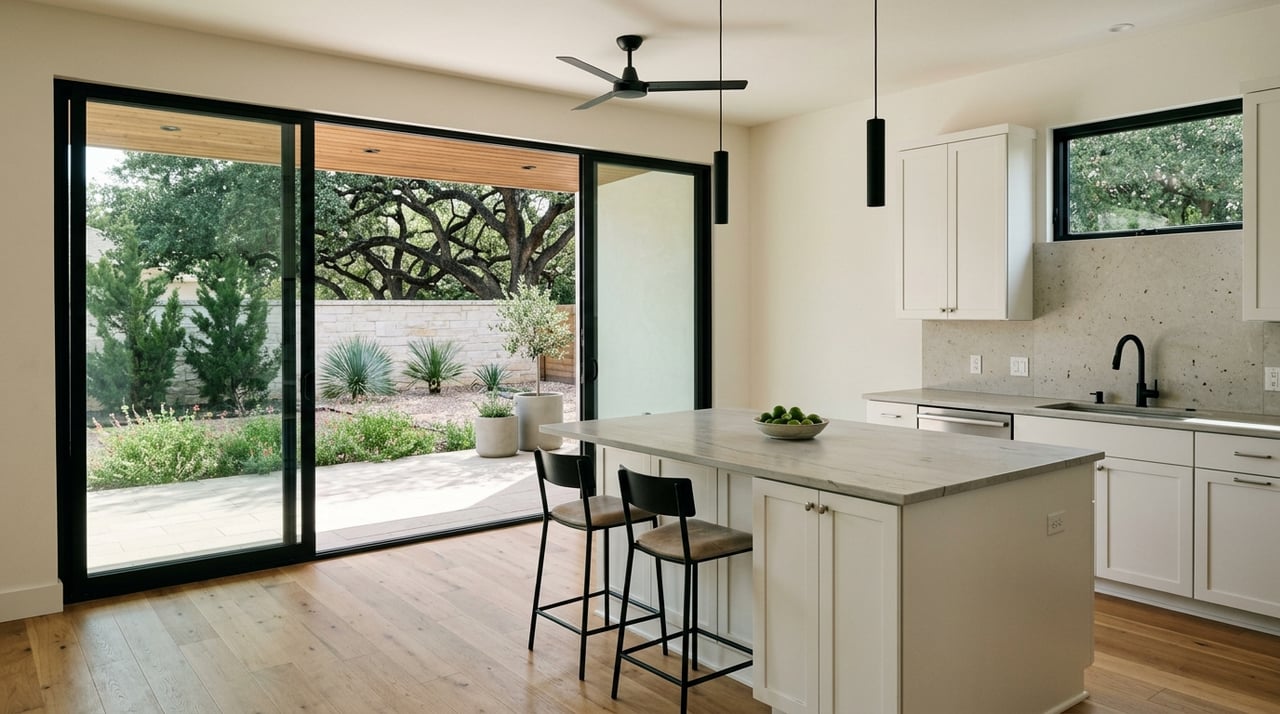
Trying to decide between central Austin and the Hill Country suburbs? You are not alone. Many buyers moving within Austin or relocating to the area find themselves weighing energy and convenience against space and a quieter setting. The good news is that this is not a right-or-wrong choice. It is about finding the lifestyle that fits you best. This guide will help you compare Austin’s urban core with Lakeway, Bee Cave, Dripping Springs, and Driftwood so you can move forward with more clarity. Let’s dive in.
Austin Lifestyle Starts With Fit
When people compare central Austin with the Hill Country suburbs, they often focus on distance first. In reality, the bigger difference is how you want daily life to feel.
Central Austin offers a denser, more urban environment with easy access to culture, dining, entertainment, and major outdoor attractions. The western and southwestern communities tend to offer more space, more residential settings, and a stronger connection to open land, lake amenities, or destination-style recreation.
If you are choosing between these areas, think less about a simple city-versus-suburb debate and more about a lifestyle spectrum. Each option offers something distinct, and your best fit depends on what matters most in your routine.
Housing Character Across Austin
Housing character is one of the clearest differences between the urban core and the Hill Country corridor. Austin had an estimated 2024 population of 993,588, with a density of 3,006.4 people per square mile. Its owner-occupied housing rate was 43.4%, and the median value of owner-occupied homes was $555,300.
That data points to a denser, more mixed-tenure environment. In practical terms, you are more likely to find a broad mix of housing types and a more active urban rhythm in and around the city core.
Austin Urban Core Feels Denser
Downtown Austin is widely presented as the city’s high-energy center. It is known for live music, art, culture, dining, and entertainment, with areas like Rainey Street adding even more restaurant and nightlife activity.
If you like the idea of being close to action, this can be a strong match. Your day-to-day experience may feel more spontaneous, with more nearby options for dining out, events, and time around the city’s central amenities.
Lakeway Offers Resort-Style Residential Living
Lakeway had 19,056 residents in 2024 and a population density of 1,518.5 people per square mile. Its owner-occupied housing rate was 86.3%, and the median owner-occupied home value was $841,300.
Lakeway is about 25 miles west of downtown Austin and began as a retirement and second-home community. Today, the city describes itself through lake access, golf courses, marinas, parkland, trails, greenbelts, and a private airport. Its 2025 comprehensive plan summary also notes that single-family homes remain the clear preference.
For many buyers, that translates to a more residential and amenity-driven lifestyle. If you picture lake proximity, neighborhood living, and recreation woven into everyday life, Lakeway often stands out.
Bee Cave Sits in the Middle
Bee Cave had 8,510 residents in 2024, with a population density of 1,066.4 people per square mile. Its owner-occupied housing rate was 48.8%, and the median owner-occupied home value was $776,400.
Bee Cave feels like one of the clearest middle-ground options. The city emphasizes retail, dining, events, neighborhoods, and outdoor recreation, and the Hill Country Galleria includes retail, office, and residential uses in one mixed-use setting.
If you want suburban space without giving up convenience, Bee Cave may feel like the most balanced choice. It offers a more active daily environment than a purely residential suburb while still leaning less dense than central Austin.
Dripping Springs Leans Hill Country
Dripping Springs had 10,165 residents in 2024 and a population density of 528.6 people per square mile. Its owner-occupied housing rate was 48.8%, and the median owner-occupied home value was $635,600.
The city has grown quickly, rising from 4,650 people in the 2020 Census to 10,165 in the 2024 estimate. Dripping Springs highlights open spaces, a small-town feel, and its identity as an International Dark Sky Community.
If your ideal setting includes more elbow room and a stronger Hill Country atmosphere, Dripping Springs may feel like a natural fit. It tends to appeal to buyers who value open skies, scenic surroundings, and a more relaxed pace.
Driftwood Feels Rural and Destination-Led
Driftwood is less defined by a formal town center and more by its surrounding experience. Area tourism pages emphasize wineries, tasting rooms, patios, ranch views, breweries, and live music.
That creates a more rural and experiential feel than central Austin. If you are drawn to wide views, gathering spaces, and a setting that feels like a getaway, Driftwood offers a very different kind of lifestyle from the urban core.
Daily Life and Social Rhythm
Your housing choice shapes your lifestyle, but your daily rhythm often matters just as much. Where do you want to spend your free time? How important is it to have activity nearby versus heading out for it intentionally?
Central Austin is the strongest fit if you want culture, dining, and entertainment close at hand. Downtown is marketed as the heart of Austin, and it continues to draw people for history, environment, culture, and nightlife.
Central Austin Prioritizes Energy
If you like a high-energy environment, central Austin delivers the most urban experience in this comparison. Chef-driven dining, live music, arts access, and busy gathering spots are a core part of its identity.
This setting can be especially appealing if you enjoy walking or driving a short distance to restaurants, events, and major parks. The pace tends to feel more active and less separated from the city’s cultural center.
Bee Cave Supports Everyday Convenience
Bee Cave offers a different kind of social life. It blends neighborhoods with shopping, dining, events, outdoor recreation, and public art, which gives it more activity than a traditional bedroom community.
For many buyers, this creates an easy everyday routine. You can enjoy a suburban setting while still having regular errands, meals out, and local events close by.
Lakeway Focuses on Amenities and Recreation
Lakeway’s identity is more recreation-centered than entertainment-centered. The city emphasizes lake access, parks, trails, and residential amenities rather than an urban dining and nightlife scene.
That can be a major plus if your ideal day includes time outdoors, time on the lake, or a more neighborhood-based routine. It tends to feel quieter than downtown Austin while still offering strong lifestyle amenities.
Dripping Springs and Driftwood Feel Intentional
Dripping Springs offers live music, craft breweries, wineries, shopping, historic charm, and open-space character. Driftwood continues that destination feel with patios, ranch views, tasting rooms, and peaceful settings.
These areas are often less about constant proximity to activity and more about choosing the experience you want. If you enjoy slower weekends, scenic drives, and gathering places with a Hill Country backdrop, they may be especially appealing.
Outdoor Access and Pace of Life
Outdoor living matters in every part of the Austin area, but the experience changes by location. In central Austin, outdoor recreation is urban, established, and highly accessible.
The Ann and Roy Butler Hike-and-Bike Trail runs through the heart of the city along Lady Bird Lake. Zilker Metropolitan Park includes more than 350 acres and anchors Barton Springs, the botanical garden, and other city attractions. The Barton Creek Greenbelt adds miles of wooded trails popular for hiking, biking, running, and climbing.
Central Austin Makes Outdoors Easy
If you want major outdoor destinations woven directly into city life, central Austin stands out. You can combine a more urban lifestyle with frequent access to trails, water, and parkland.
That is one reason the urban core appeals to people who do not want to choose between city energy and outdoor time. In Austin, those two experiences often live side by side.
Hill Country Areas Offer More Space
Lakeway, Bee Cave, and Dripping Springs all offer strong outdoor access, but each one does it differently. Lakeway emphasizes city parks, connected trails, greenbelts, and canyon and lake views.
Bee Cave highlights a multi-use trail system, Central Park, primitive parkland, and public art. Dripping Springs is planning around parks, recreation, and open-space preservation, which supports its more spacious identity.
If your version of outdoor living includes bigger views, more residential quiet, and a stronger connection to open land, the Hill Country side of the spectrum may be a better match.
What Commute Data Really Suggests
Commute conversations often dominate Austin area home searches, but averages do not tell the full story. Austin’s mean travel time to work is 23.7 minutes, compared with 22.1 in Bee Cave, 27.4 in Dripping Springs, and 28.8 in Lakeway.
Those numbers show that these communities all operate within the same broader metro pattern. The more meaningful difference is often not one exact travel time. It is whether you want more density, walkability, and spontaneity, or more space, quieter nights, and destination-style recreation.
How to Choose Your Best Match
If you are still narrowing it down, start with a few practical questions:
- Do you want your surroundings to feel energetic or calm?
- Do you prefer nearby cultural activity or more residential quiet?
- Is lake access, open space, or Hill Country scenery a top priority?
- Do you want a mixed-use middle ground with daily convenience?
- Are you looking for a home that feels connected to the city, or a home that feels like a retreat?
For many buyers, the simplest summary looks like this:
- Central Austin: most urban and culturally dense
- Lakeway: most resort-lake residential
- Bee Cave: clearest mixed-use middle ground
- Dripping Springs: strongest small-town Hill Country feel
- Driftwood: most rural and destination-oriented
The right choice depends on what you want your everyday life to feel like, not just what shows up on a map.
If you are weighing Austin’s urban core against Bee Cave, Lakeway, Dripping Springs, or other Hill Country communities, a local guide can help you compare the tradeoffs with more confidence. The team at Newton Residential Group offers personalized guidance for buying, selling, and relocating across Austin and the western Hill Country corridor.
FAQs
What is the main difference between central Austin and the Hill Country suburbs?
- Central Austin generally offers a denser, more urban lifestyle with culture, dining, and entertainment nearby, while communities like Lakeway, Bee Cave, Dripping Springs, and Driftwood tend to offer more space, quieter settings, and recreation tied to open land or the lake.
How does Bee Cave compare with central Austin for daily life?
- Bee Cave offers a middle-ground lifestyle with neighborhoods, dining, shopping, events, and outdoor recreation, so it can feel more convenient and active than a purely residential suburb while still being less dense than central Austin.
What makes Lakeway different from other Austin-area suburbs?
- Lakeway is strongly shaped by lake access, golf, marinas, parks, trails, and greenbelts, and the city’s planning documents continue to favor single-family living, which gives it a more residential and amenity-driven feel.
Why do buyers consider Dripping Springs instead of central Austin?
- Dripping Springs appeals to buyers who want open space, a small-town atmosphere, scenic Hill Country surroundings, and a lifestyle tied to parks, recreation, wineries, breweries, and dark-sky character.
Is Driftwood more rural than Bee Cave or Lakeway?
- Yes, Driftwood is described more as a destination corridor with wineries, patios, brewery settings, ranch views, and live music rather than a formal town-center environment, which gives it a more rural and experiential feel.
Are commute times very different between Austin and the Hill Country suburbs?
- The average commute times are fairly close across Austin, Bee Cave, Dripping Springs, and Lakeway, so lifestyle differences like density, walkability, space, and pace of life are often more important than commute averages alone.